Building Estimation and Costing: The Foundation of Smart Construction Planning
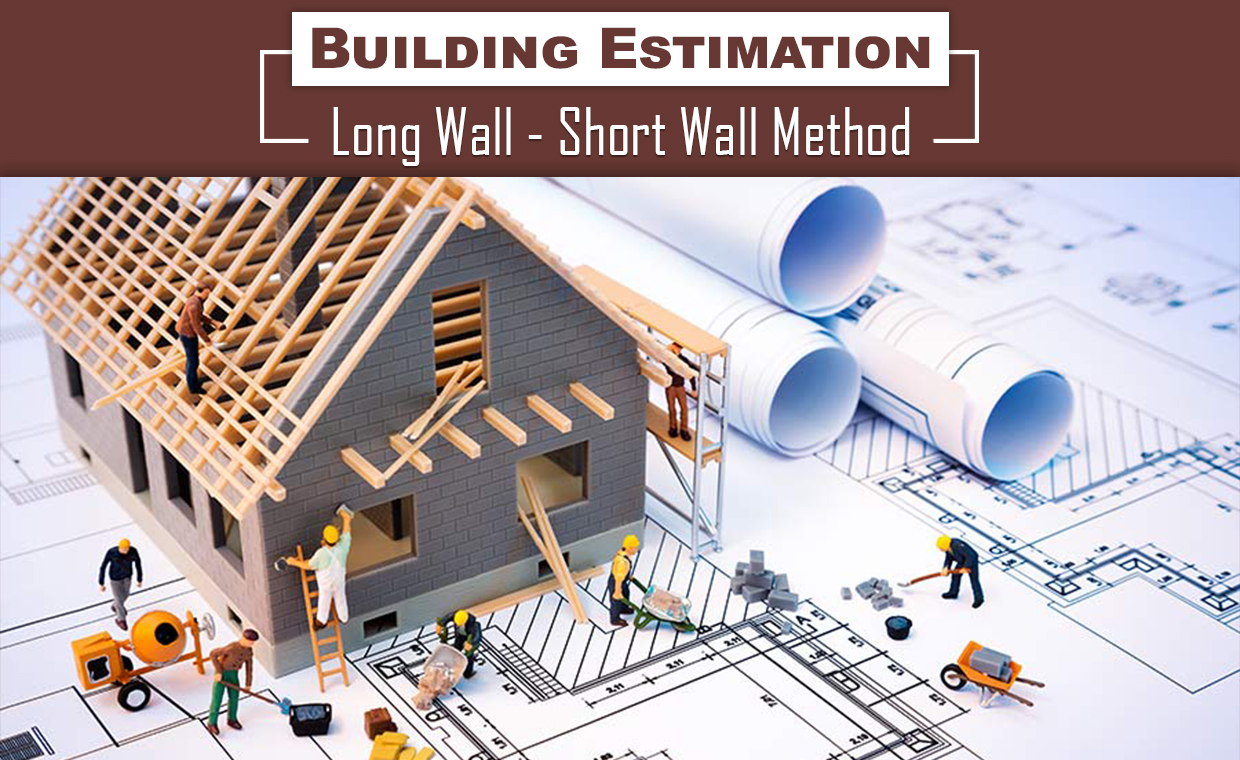


In the world of construction, precision isn’t just desirable—it’s essential. Whether you’re constructing a small house or a high-rise building, estimation and costing form the backbone of successful project management. At Tech Booster Institute, we believe that mastering these skills is key for engineers, architects, and project managers who aim to deliver efficient, cost-effective, and sustainable structures.
Estimation is the process of forecasting the probable cost of a construction project before it begins. It involves determining the quantities of materials, labor, equipment, and other resources required.
Costing, on the other hand, is the process of assigning monetary value to each of those quantities to determine the total project cost.
Together, these two ensure that every project stays within budget and on schedule.
Budget Control: Helps prevent cost overruns and ensures financial stability.
Efficient Resource Allocation: Ensures the right materials and manpower are available when needed.
Client Satisfaction: Builds trust through transparent and realistic project projections.
Time Management: Avoids delays by anticipating material and labor needs early.
Decision Support: Guides tendering, design choices, and contractor selection.
Quantity Take-Off: Measuring quantities of materials like cement, steel, bricks, etc.
Labor Estimation: Calculating the required man-hours for each task.
Equipment Costing: Including tools, machinery, and rental costs.
Overheads and Contingencies: Accounting for indirect costs and unforeseen expenses.
Rate Analysis: Combining market rates with quantity estimates to derive total costs.
Modern estimation isn’t limited to pen and paper. Professionals now use software tools and digital methods for accuracy and speed, including:
AutoCAD and Revit for digital drawings and take-offs
MS Excel for cost breakdowns
Primavera or MS Project for time-cost integration
BIM (Building Information Modeling) for 3D-based cost simulation
At Tech Booster Institute, our training programs integrate these latest tools, empowering learners to compete in today’s tech-driven construction industry.
After mastering estimation and costing, you can pursue careers such as:
Quantity Surveyor
Estimation Engineer
Project Cost Analyst
Planning Engineer
Construction Manager
The demand for skilled estimators is growing rapidly in both domestic and international markets.Building estimation and costing is not just about numbers—it’s about vision, planning, and precision. At Tech Booster Institute, we equip you with the skills, tools, and confidence to bring projects from blueprint to reality—efficiently and economically.